
Metal studs are widely used in modern construction due to their strength, consistency, and resistance to pests and fire. However, many builders and homeowners ask an important question before using them outdoors: will metal studs rust outside? The short answer is yes—metal studs can rust if they are exposed to moisture and the elements without proper protection. Understanding how and why rust occurs, and how to prevent it, is essential for choosing the right materials for exterior applications.
What Are Metal Studs Made Of?
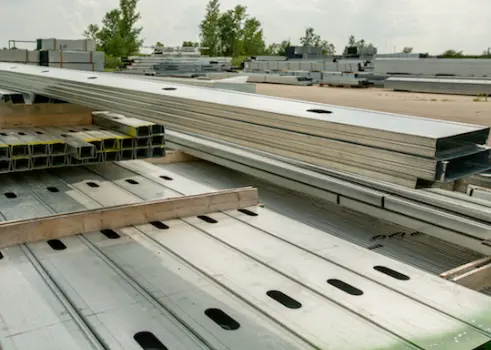
Most metal studs are manufactured from galvanized steel, which means the steel is coated with a layer of zinc. This zinc coating acts as a protective barrier, preventing moisture and oxygen from reaching the underlying steel. As long as the galvanized coating remains intact, metal studs are highly resistant to corrosion.
However, standard interior metal studs are typically designed for dry, controlled environments. When used outside or in exposed areas, their protective coating may not be sufficient to withstand prolonged exposure to rain, humidity, and temperature changes.
How Rust Forms on Metal Studs
Rust forms when steel reacts with oxygen and water, creating iron oxide. Even galvanized metal studs can eventually rust if the zinc coating is compromised. Scratches, cut edges, drilled holes, or prolonged exposure to standing water can expose bare steel, allowing corrosion to begin.
Outdoor environments accelerate this process due to rain, condensation, UV exposure, and airborne pollutants. Coastal areas are particularly harsh because salt in the air increases corrosion rates.
Are All Metal Studs Suitable for Outdoor Use?
Not all metal studs are intended for exterior applications. Standard light-gauge metal studs are usually rated for interior walls and ceilings only. For outdoor use, builders should choose heavier-gauge studs with enhanced corrosion resistance.
Exterior-rated metal studs often feature thicker zinc coatings, such as G90 galvanization, or additional protective finishes. These options provide greater resistance to rust when exposed to moisture.
How to Prevent Metal Studs from Rusting Outside
If metal studs must be used outdoors, several measures can significantly reduce the risk of rust:
-
Use exterior-grade galvanized studs: These have thicker protective coatings.
-
Apply protective coatings: Rust-inhibiting paint or sealants add an extra layer of protection.
-
Protect cut edges: Touch up exposed steel with zinc-rich paint or corrosion-resistant primer.
-
Ensure proper drainage and ventilation: Avoid trapping moisture around studs.
-
Avoid direct ground contact: Moist soil can rapidly accelerate corrosion.
These precautions help extend the lifespan of metal studs in exterior environments.
Alternatives to Metal Studs for Outdoor Use
In some cases, alternative materials may be more suitable. Structural steel framing, cold-formed steel rated for exterior use, or pressure-treated wood are commonly used in outdoor construction. Each option has its own advantages and cost considerations.
For exterior walls, metal studs are often enclosed within weather-resistant barriers, insulation, and cladding systems. This enclosure significantly reduces moisture exposure and lowers the risk of rust.
Building Codes and Best Practices
Most building codes specify where and how metal studs can be used. Exterior applications typically require corrosion-resistant materials that meet local environmental conditions. Always consult local codes and manufacturer guidelines before using metal studs outside.
Conclusion
So, will metal studs rust outside? Yes, they can rust if exposed to moisture without adequate protection. While galvanized metal studs offer corrosion resistance, standard interior studs are not designed for outdoor use. Choosing exterior-rated studs, applying protective coatings, and following best construction practices can greatly reduce the risk of rust. When used correctly, metal studs can perform reliably even in challenging environments, making them a viable option for certain exterior construction projects.
Post time: Feb-07-2026