
In the construction and structural engineering sectors, steel profiles play a critical role in ensuring strength, durability, and efficiency. Among the many types available, 250PFC is a widely used structural steel section. But what exactly is 250PFC, and why is it so important in modern construction? This article provides a clear, SEO-optimized overview of 250PFC, its specifications, applications, and advantages.
Understanding 250PFC
250PFC stands for 250 Parallel Flange Channel, a type of structural steel beam commonly used in construction and engineering projects. The “250” refers to the nominal depth of the section in millimeters, while “PFC” indicates that it is a parallel flange channel, meaning the flanges (the horizontal parts of the section) are parallel rather than tapered.
Unlike traditional channel sections with angled flanges, PFC sections offer improved structural performance and easier fabrication, making them a preferred choice in many industries.
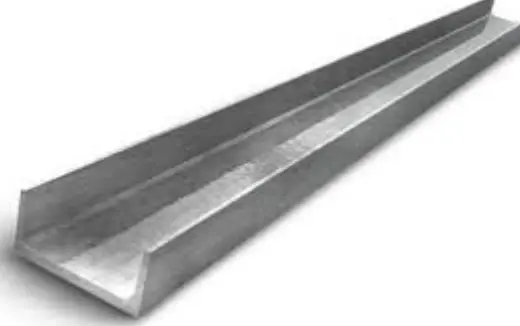
Key Specifications of 250PFC
A standard 250PFC typically includes the following characteristics:
- Depth: حوالي 250 mm
- Flange Width: Approximately 90 mm
- Web Thickness: Around 8–10 mm
- Flange Thickness: حوالي 12–15 mm
- Weight: Approximately 30–35 kg/m (varies by standard)
These specifications may differ slightly depending on regional standards such as British, Australian, or European steel codes.
Common Applications of 250PFC
250PFC steel channels are highly versatile and are used in a wide range of structural applications, including:
1. Building Construction
They are commonly used in:
- Floor beams
- Wall supports
- Roof structures
Their high load-bearing capacity makes them suitable for both residential and commercial buildings.
2. Industrial Structures
250PFC sections are widely applied in:
- Warehouses
- Factories
- Steel frameworks
They provide excellent support for heavy machinery and equipment.
3. Infrastructure Projects
In civil engineering, 250PFC is used for:
- Bridges
- Platforms
- Structural reinforcements
4. Equipment and Trailer Manufacturing
Due to their strength and durability, PFC channels are also used in:
- Truck chassis
- Trailers
- Agricultural machinery
Advantages of Using 250PFC
The popularity of 250PFC in construction stems from several key benefits:
High Strength-to-Weight Ratio
250PFC offers excellent load-bearing capacity without excessive weight, improving overall structural efficiency.
Ease of Fabrication
Parallel flanges simplify welding, bolting, and cutting processes, reducing labor costs and construction time.
Versatility
It can be used in vertical, horizontal, or inclined positions, adapting to various structural requirements.
Cost-Effective
Due to standardized production and widespread availability, 250PFC is a cost-efficient option for many projects.
250PFC vs Other Steel Sections
Compared to other steel profiles like I-beams or universal beams (UB), 250PFC has a channel-shaped cross-section, making it particularly suitable for applications where one side needs to remain open.
For example:
- I-beams are ideal for symmetrical load distribution
- PFC channels are better for edge supports and framing
This makes 250PFC a complementary component rather than a replacement for other steel sections.
Standards and Quality Considerations
When sourcing 250PFC steel, it is essential to ensure compliance with recognized standards such as:
- AS/NZS 3679 (Australia/New Zealand)
- EN 10279 (Europe)
- BS standards (UK)
Quality factors to consider include:
- Material grade (e.g., mild steel, high-strength steel)
- Surface finish (galvanized or untreated)
- Dimensional accuracy
Conclusion
250PFC (250 Parallel Flange Channel) is a fundamental structural steel component widely used across construction, infrastructure, and industrial applications. Its combination of strength, versatility, and ease of fabrication makes it an essential choice for engineers and builders worldwide.
Whether you are designing a building frame, reinforcing a structure, or manufacturing heavy equipment, understanding the role of 250PFC can help you make more informed decisions and improve project outcomes.
Post time: Apr-25-2026