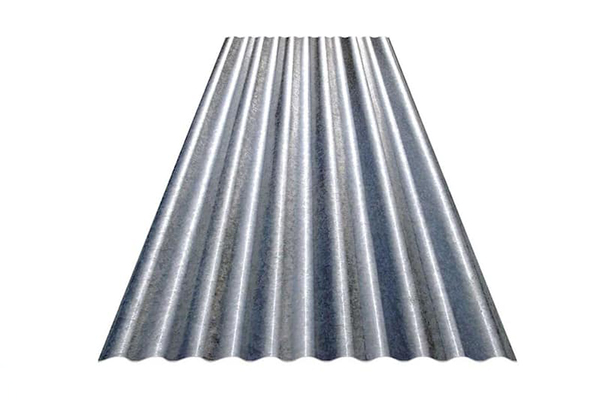
Corrugated metal sheets are widely used in roofing, cladding, fencing, and industrial construction because of their strength, durability, and cost-effectiveness. While they offer many benefits—such as long service life and resistance to weather—these materials also come with certain drawbacks that homeowners, builders, and project planners should consider. Understanding the disadvantages of corrugated metal sheets can help you make a more informed decision before purchasing or installing them.
1. Higher Noise Levels During Rain and Hail
One of the most commonly mentioned disadvantages is noise. Corrugated metal roofs can be significantly louder than other roofing materials, especially during heavy rain, hailstorms, or wind. The metal amplifies sound, creating drumming or echo effects.
Although insulation and acoustic barriers can reduce noise levels, they increase the overall installation cost and may not eliminate the issue entirely.
2. Prone to Denting and Damage
Despite their strength, corrugated metal sheets can dent or deform under certain pressures. Events such as falling branches, hail, or impact from heavy objects may leave visible marks.
Lower-gauge (thinner) metal sheets are more vulnerable to dents compared to thicker ones. Over time, repeated impact damage can affect appearance and structural performance.
3. Potential for Corrosion Without Proper Coating
Metal naturally oxidizes, and although many corrugated sheets come with galvanized or coated finishes, corrosion can still occur under certain conditions. Coastal environments, acidic rain, pollutants, and poor maintenance increase the risk of rust.
If coatings wear off or are scratched during installation, exposed metal areas may corrode more quickly, reducing lifespan and requiring repair or replacement.
4. Higher Initial Cost Compared to Some Alternatives
Corrugated metal sheets are cost-effective in the long run, but the upfront cost can be higher than other roofing or siding materials, such as asphalt shingles or PVC panels.
Additionally, accessories such as fasteners, ridge caps, insulation, and sealants add to the total installation price. For budget-conscious projects, the initial investment may feel significant.
5. Thermal Expansion and Contraction
Metal expands when heated and contracts when cooled. In climates with extreme temperature fluctuations, corrugated metal sheets can shift, loosen, or create stress on fasteners.
If not installed properly with allowance for expansion, problems may occur such as:
-
Noise from metal movement
-
Fastener loosening
-
Warping or distortion
-
Possible leaks
Using flexible fasteners and professional installation helps reduce these issues, but they cannot be fully eliminated.
6. Susceptible to Leaks if Not Installed Correctly
Corrugated metal sheets require precision during installation. Incorrect overlapping, poor sealing, or improper fastening can lead to water penetration.
Common installation mistakes include:
-
Screws placed in the wrong position
-
Inadequate sealing around overlaps
-
Using low-quality fasteners
-
Incorrect roof pitch for metal sheets
Leaks can cause structural damage and mold growth if left unaddressed.
7. Limited Sound and Heat Insulation
Metal sheets alone offer poor thermal and acoustic insulation. Without additional layers such as foam, fiberglass, or reflective barriers, corrugated metal roofs can:
-
Allow more heat into the home
-
Lose heat faster in winter
-
Amplify external noise
This limitation may increase energy costs and reduce indoor comfort unless insulation is added.
8. Aesthetic Limitations for Some Architectural Styles
While corrugated metal has a modern, industrial look, it may not complement traditional architectural styles. Some homeowners find the appearance too plain or too industrial for residential use.
Although available in various colors and finishes, corrugated profiles may still clash with certain building designs.
Conclusion
Corrugated metal sheets offer durability, weather resistance, and versatility, but they also come with disadvantages such as noise, potential denting, corrosion risks, and limited insulation. By understanding these drawbacks, builders and homeowners can make informed decisions and take steps to minimize issues through proper installation, maintenance, and material selection.
Whether you’re planning a roofing project or cladding a structure, weighing the pros and cons will help ensure long-lasting performance and a successful outcome.
Post time: Dec-06-2025