Metal buildings have become a popular choice for residential, agricultural, commercial, and industrial applications due to their durability, versatility, and cost efficiency. However, with so many options available, many buyers ask how to choose affordable metal buildings without sacrificing quality or performance. This guide explains the key factors to consider so you can make a smart, budget-friendly decision.
Understand Your Building Purpose and Size
The first step in choosing an affordable metal building is clearly defining its purpose. Will it be used as a garage, warehouse, workshop, farm building, or commercial space? The intended use directly affects design requirements, insulation needs, and structural strength.
Size is another major cost factor. Larger buildings require more steel, higher engineering costs, and larger foundations. Choosing the right size—not oversized—helps control expenses while still meeting your needs.
Compare Metal Building Types
Not all metal buildings are the same. Common options include:
-
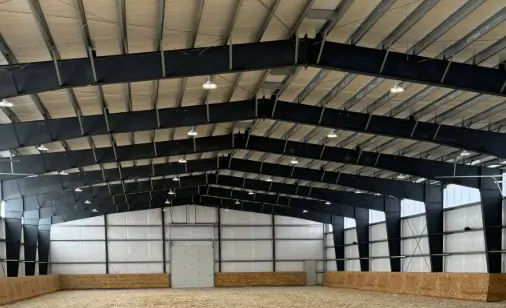
Rigid-frame steel buildings: Strong and suitable for large spans but often more expensive.
-
Light-gauge steel buildings: More affordable and ideal for smaller structures.
-
Pre-engineered metal buildings (PEMB): Factory-designed systems that reduce material waste and labor costs.
Pre-engineered metal buildings are often the most affordable option because they are designed for efficiency and fast installation.
Choose the Right Steel Gauge and Materials
Steel gauge refers to thickness—the lower the number, the thicker the steel. While thicker steel provides higher strength, it also increases costs. Affordable metal buildings use the appropriate steel gauge based on local wind, snow, and seismic requirements.
Selecting galvanized or coated steel improves corrosion resistance and reduces long-term maintenance costs. While slightly more expensive upfront, these materials often save money over the building’s lifespan.
Evaluate Engineering and Code Compliance
A truly affordable metal building must comply with local building codes. Choosing a supplier that offers engineered drawings stamped by licensed engineers ensures safety and avoids costly delays or redesigns during permitting.
Non-engineered or poorly designed buildings may appear cheaper initially but can result in higher expenses due to repairs, upgrades, or code violations.
Consider Foundation and Site Preparation Costs
Foundation costs can significantly impact your total budget. Metal buildings typically require a concrete slab or pier foundation. Affordable metal building projects account for soil conditions, drainage, and access early in the planning process to avoid unexpected costs.
Some building designs allow for simpler foundations, which can reduce overall expenses. Discuss foundation options with your supplier to find the most cost-effective solution.
Compare Installation Options
Labor costs vary widely. Some metal building kits are designed for DIY or partial self-installation, which can reduce expenses if you have construction experience. However, improper installation can lead to structural issues.
Hiring experienced installers may cost more upfront but often saves money by ensuring correct assembly and long-term performance.
Balance Insulation and Energy Efficiency
Insulation is an important factor, especially for climate-controlled spaces. While skipping insulation lowers initial costs, it can increase energy bills later. Affordable metal buildings often use basic insulation systems that provide a balance between cost and efficiency.
Choosing energy-efficient roofing and wall panels can also reduce long-term operating expenses.
Compare Suppliers and Warranties
Not all suppliers offer the same value. When choosing affordable metal buildings, compare multiple quotes and review what is included. Look for suppliers that provide clear specifications, warranties, and after-sales support.
A reliable warranty on steel components and coatings protects your investment and reduces future repair costs.
Conclusion
Choosing affordable metal buildings requires balancing upfront costs with long-term value. By selecting the right size, materials, building type, and supplier, you can control expenses without compromising quality or safety. Focus on proper engineering, efficient design, and realistic
Post time: Jan-31-2026