
When planning a multi-level structure, one of the most common design questions is: how tall does a metal building need to be for 2 stories? The answer depends on ceiling height requirements, floor system thickness, insulation, mechanical systems, and local building codes. However, in most cases, a two-story metal building requires a minimum overall height of 18 to 24 feet to function efficiently and comfortably.
Understanding these factors will help you design a safe, code-compliant, and cost-effective steel structure.
Basic Height Requirements for Two Stories
Each story in a building must provide adequate ceiling height for occupants. In residential construction, standard ceiling heights range from 8 to 9 feet per floor. In commercial or industrial buildings, ceilings may be 10 to 14 feet or higher, depending on use.
For a basic two-story metal building with 9-foot ceilings on both levels, you would need:
-
9 feet (first floor ceiling)
-
1 to 2 feet (floor structure thickness)
-
9 feet (second floor ceiling)
-
Additional space for roof structure
This typically results in a minimum wall height of around 20 to 22 feet.
Accounting for Floor System Thickness
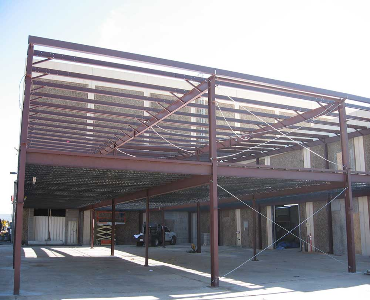
One critical factor often overlooked is the floor system between stories. In a metal building, the second floor is usually supported by steel beams and decking. This structural assembly can add 12 to 24 inches of thickness.
If you plan for mechanical systems such as HVAC ducts, plumbing, or electrical conduits between floors, additional space may be required. In commercial buildings, this interstitial space can increase total height needs.
Roof Pitch and Structural Design
Metal buildings can have different roof styles, including:
-
Low-slope (flat) roofs
-
Gable roofs
-
Single-slope roofs
A low-slope roof typically requires less vertical space than a steep gable roof. However, roof trusses and framing still require structural clearance above the second floor ceiling. Depending on the design, the roof structure may add 2 to 4 feet to the total building height.
For example, if your usable interior height requirement is 20 feet, the overall exterior height may reach 22 to 24 feet.
Residential vs. Commercial Two-Story Metal Buildings
The height requirements differ based on the building’s purpose.
Residential two-story metal homes generally require lower ceilings and fewer industrial systems. In this case, a wall height of 18 to 22 feet may be sufficient.
Commercial or office buildings often require higher ceilings and larger mechanical systems. These structures may need 22 to 26 feet or more to accommodate comfort and code compliance.
Industrial mezzanine-style buildings may require even greater heights if heavy equipment or storage racks are involved.
Building Codes and Local Regulations
Local building codes play a crucial role in determining how tall a two-story metal building must be. Codes regulate:
-
Minimum ceiling heights
-
Structural load requirements
-
Fire safety standards
-
Stairwell and egress clearances
Before finalizing your design, consult local authorities or a licensed structural engineer to ensure compliance.
Cost Considerations
Height directly impacts cost. Taller metal buildings require:
-
More steel framing
-
Longer wall panels
-
Stronger structural components
-
Larger foundations
Designing efficiently—without unnecessary extra height—helps control project costs while still meeting functional needs.
Recommended Height Range
In general, for most applications:
-
Minimum recommended wall height: 20 feet
-
Common range: 20 to 24 feet
-
Commercial projects: 22 to 26 feet
This allows comfortable ceiling heights, structural floor systems, and roof clearance.
Conclusion
So, how tall does a metal building need to be for 2 stories? For most residential and light commercial applications, plan for a total wall height of approximately 20 to 24 feet, depending on ceiling preferences and structural requirements. Proper planning ensures adequate interior space, code compliance, and long-term functionality. Consulting with an experienced metal building supplier or engineer will help you determine the ideal height for your specific project.
Post time: Feb-12-2026