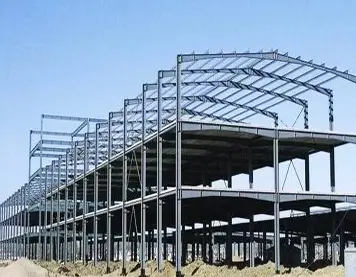
When planning a two-story metal building—whether for commercial use, storage, office space, or residential purposes—one of the most critical design questions is height. Determining the correct building height ensures structural safety, adequate headroom, and compliance with building codes. Many first-time builders ask: How tall does a metal building need to be for 2 stories?
This article outlines standard height requirements, influencing factors, and design considerations to help you choose the correct dimensions for your two-story metal structure.
Typical Height Requirement for a Two-Story Metal Building
In most cases, a two-story metal building requires a minimum height of 18 to 20 feet. This height accommodates two usable floors with safe ceiling clearance, proper support beams, and room for utilities.
General guidelines:
-
Bottom floor: 9 to 12 feet of clearance
-
Second floor: 8 to 10 feet of clearance
-
Structural framework: 1 to 2 feet (beams, floor joists, and insulation)
Because of these combined requirements, most manufacturers recommend:
-
18 feet minimum height for basic storage or utility structures
-
20 to 24 feet for buildings with offices, workshops, or heavy equipment storage
-
24+ feet for specialized industrial applications or mezzanine systems
Factors That Impact Required Building Height
Although 18–20 feet is a common standard, the exact height depends on several important considerations.
1. Intended Use of the Building
The purpose of the building affects ceiling height requirements:
-
Warehouses: Often require higher clearance for forklifts and racks
-
Residential or office use: Typically needs 8–9 feet per floor
-
Commercial shops or garages: May need 10–14 feet per floor for machinery, lifts, or overhead doors
Define the functional needs early to ensure appropriate structural design.
2. Structural Design and Framing
Metal buildings use I-beams, steel trusses, or rigid frames. Each framing system has different space requirements:
-
Floor joists may require 12–24 inches of depth
-
Load-bearing beams can take up additional vertical space
-
Mezzanine floors often require thicker framing for stability
Buildings with heavy loads or wide spans typically need increased height to accommodate stronger structural components.
3. Local Building Codes
Municipal building codes may specify:
-
Minimum ceiling heights
-
Structural load requirements
-
Fire safety standards
-
Emergency egress spacing
Commercial buildings often require higher ceilings than residential structures. Consulting local code authorities or a licensed contractor early in the planning process helps avoid design corrections later.
4. Insulation and HVAC Systems
Insulation, ductwork, and ventilation systems use vertical space. Depending on the climate, a building may require:
-
Roof insulation thickness: Up to 12 inches
-
Suspended ceilings for HVAC
-
Ventilation systems that require clear overhead space
It is important to include these elements when calculating total height.
5. Aesthetic and Functional Options
Some building owners prefer:
-
Taller ceilings for visual spaciousness
-
Large second-floor windows
-
Cathedral ceilings or decorative framing
Metal buildings can be customized, but aesthetic upgrades often require additional height.
Recommended Heights Based on Common Applications
| Purpose of Building | Suggested Two-Story Height |
|---|---|
| Basic storage | 18–20 ft |
| Office or residential | 20–22 ft |
| Commercial retail | 22–24 ft |
| Industrial or warehouse | 24–26 ft |
| Vehicle lift or workshop | 24+ ft |
These ranges provide comfortable clearance for both floors and any supplemental equipment.
Conclusion
A two-story metal building generally needs to be 18 to 20 feet tall, but the ideal height ultimately depends on usage, structural design, local codes, and additional utilities. For buildings with complex layouts or heavy equipment, heights of 22 feet or more may be necessary.
Determining the correct height during the planning stage ensures safe construction, comfortable interior space, and long-term functionality. By working closely with a metal building manufacturer or structural engineer, you can design a two-story metal building that meets both technical requirements and practical needs.
Post time: Dec-12-2025