Steel-framed buildings have become a popular choice in modern construction due to their strength, versatility, and durability. They are used in various applications, from residential homes to skyscrapers, warehouses, and industrial facilities. One question frequently asked by builders and property owners is, “How long do steel-framed buildings last?” The answer depends on several factors, including the quality of materials, environmental conditions, and maintenance practices. This article explores the lifespan of steel-framed buildings and how to maximize their longevity.
The Durability of Steel
Steel is one of the most robust construction materials available, boasting high tensile strength, resistance to deformation, and the ability to withstand significant loads. Its durability is influenced by the following properties:
- Corrosion Resistance: Modern steel used in construction often comes with protective coatings, such as galvanization or weather-resistant finishes, to prevent rust and deterioration.
- Fire Resistance: Steel structures are designed to perform well under fire conditions when treated with fireproofing materials.
- Pest Resistance: Unlike wood, steel is immune to termites, rot, and other biological threats.
These attributes make steel an excellent choice for long-lasting construction.
Typical Lifespan of Steel-Framed Buildings
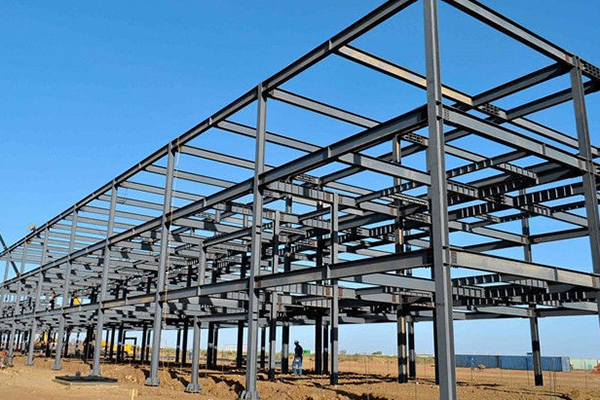
With proper design, materials, and upkeep, steel-framed buildings can last for 50 to 100 years or more. Some buildings may even exceed this lifespan if they are well-maintained and located in favorable environmental conditions. Factors influencing the lifespan include:
1. Quality of Steel and Construction
The type of steel and the construction methods used play a critical role in the durability of the building. High-quality structural steel and skilled assembly ensure the framework can handle significant stress and environmental factors.
2. Environmental Conditions
Environmental exposure, such as moisture, saltwater air, or extreme temperature fluctuations, can accelerate wear on steel structures. For example:
- Buildings in coastal areas are more prone to corrosion due to salt-laden air.
- Structures in industrial zones may face chemical exposure, increasing the risk of degradation.
3. Protective Measures
Coatings, treatments, and additional protective measures extend the life of steel:
- Galvanization: A zinc coating prevents rust.
- Paints and Finishes: Specialized paints act as a barrier to moisture and air.
- Fireproofing Materials: Intumescent coatings or fire-resistant cladding enhance steel’s performance in high-temperature scenarios.
Maintenance Practices to Prolong Lifespan
Regular maintenance is essential to ensure steel-framed buildings reach their maximum potential lifespan. Key practices include:
1. Inspections
Conduct routine inspections to identify early signs of wear, corrosion, or structural damage. Inspections should focus on joints, welds, and areas exposed to moisture.
2. Corrosion Control
If rust or corrosion is detected, treat affected areas promptly with cleaning, priming, and repainting. This prevents further deterioration and extends the life of the structure.
3. Fireproofing Upkeep
Maintain and replace fireproofing materials as needed to ensure continued fire resistance.
4. Structural Repairs
Address structural issues, such as loose bolts, cracked welds, or misaligned beams, as soon as they are identified to prevent them from worsening.
Real-World Examples
Several iconic steel-framed buildings demonstrate the material’s longevity:
- The Empire State Building (1931): Still standing strong after nearly a century, this skyscraper showcases the durability of steel construction.
- The Eiffel Tower (1889): Built from iron, a predecessor to modern steel, it has withstood over 130 years of exposure with proper maintenance.
These examples highlight that well-constructed and maintained steel structures can last far beyond their expected lifespan.
Advantages of Steel-Framed Buildings
The longevity of steel-framed buildings is complemented by other benefits, including:
- Sustainability: Steel is recyclable, making it an eco-friendly option for construction.
- Design Flexibility: Steel’s strength allows for creative and expansive architectural designs.
- Speed of Construction: Prefabricated steel components reduce construction time.
Challenges to Consider
Despite their advantages, steel-framed buildings are not without challenges:
- Corrosion Risk: Without adequate protection, steel can corrode over time, particularly in humid or coastal areas.
- Thermal Conductivity: Steel conducts heat, so it requires insulation in extreme climates.
- Initial Costs: Steel structures may have higher upfront costs compared to other materials like wood.
Conclusion
Steel-framed buildings are among the most durable and long-lasting construction options available. With lifespans often exceeding 50 years, and potentially reaching 100 years or more, they offer a reliable and sustainable solution for a wide range of applications. By using high-quality materials, applying protective treatments, and adhering to a regular maintenance schedule, property owners can maximize the longevity and performance of their steel structures. Whether used for residential, commercial, or industrial purposes, steel-framed buildings remain a cornerstone of modern architecture and engineering.
Post time: Dec-12-2024