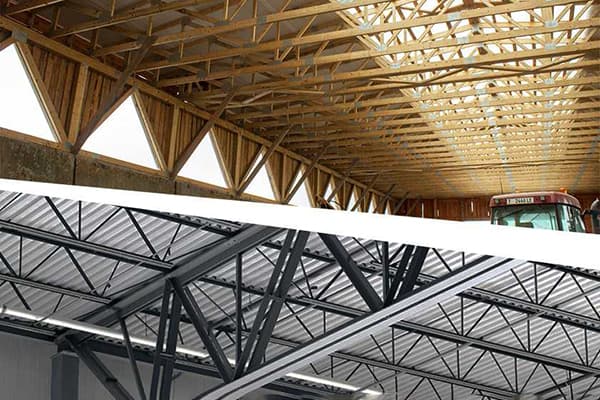
When planning a construction project, whether it’s a home, barn, or commercial building, one of the key decisions involves choosing the right type of truss. Trusses form the framework that supports a roof or floor, and they can be made from either wood or metal. Cost is usually a major factor in this choice, leading many builders and homeowners to ask: Are metal trusses cheaper than wood? The answer is not straightforward, as the cost depends on material prices, installation, maintenance, and long-term value.
Initial Material Costs
At first glance, wood trusses often appear less expensive than metal trusses. Lumber is widely available, and prefabricated wood trusses can be produced in large quantities, keeping prices relatively low. For small to medium-sized projects, wood trusses typically cost less per square foot.
Metal trusses, on the other hand, require steel or aluminum, which usually carry higher material costs. The production process for metal trusses is also more specialized, adding to their upfront price. Therefore, if you are comparing just the initial purchase, wood trusses often come out cheaper.
Installation Costs
Installation is another factor that affects the overall price. Wood trusses are generally lighter and easier to handle, meaning they can often be installed more quickly and with less heavy equipment. Contractors are also more familiar with wood trusses, which may lower labor costs.
Metal trusses, while heavier, are designed for durability and precision. Their installation may require cranes or specialized tools, leading to higher labor expenses. However, in large-scale projects such as warehouses, agricultural buildings, or commercial spaces, metal trusses can actually reduce installation costs because fewer trusses are needed to span wide distances.
Durability and Maintenance
While wood trusses may seem cheaper at the beginning, long-term maintenance costs can shift the balance. Wood is vulnerable to pests like termites, as well as moisture-related issues such as rot and warping. In humid or damp environments, maintenance and repairs can add up significantly over the lifespan of the building.
Metal trusses, in contrast, are resistant to rot, pests, and warping. With proper coatings or galvanization, they can withstand harsh weather conditions for decades with minimal maintenance. This durability often offsets their higher initial price, making them more cost-effective in the long run, especially for buildings expected to last for many decades.
Span and Design Considerations
Another point to consider is the type of project. Wood trusses are ideal for residential homes, small barns, and structures with shorter spans. They are flexible in design and easier to customize for standard roof shapes.
Metal trusses excel in large-scale or industrial projects where long spans without interior supports are required. A warehouse roof, for example, may be more affordable with metal trusses because fewer support structures are needed, reducing overall material and labor costs. In these cases, metal can actually be cheaper than wood when you consider the full scope of the project.
Environmental and Market Factors
The relative cost of wood versus metal trusses can also fluctuate with market conditions. Lumber prices have seen significant spikes in recent years, sometimes making wood trusses more expensive than metal. Similarly, steel prices can be affected by global supply and demand. Regional availability also plays a role—wood may be cheaper in forested areas, while steel may be more affordable near industrial hubs.
Conclusion
So, are metal trusses cheaper than wood? The answer depends on how you define “cheap.” Wood trusses are typically cheaper upfront, especially for small- to medium-sized projects. However, metal trusses often prove more cost-effective over time because of their durability, low maintenance needs, and ability to span wide areas with fewer supports.
If you are building a standard home or small structure, wood trusses may be the more economical choice. But if you are planning a large agricultural building, commercial structure, or warehouse, metal trusses could save money in the long run. Ultimately, the best option depends on your project’s size, location, budget, and lifespan expectations.
Post time: Sep-18-2025